Health guide
GLP-1 for Sleep Apnea: What the Research Shows and Who It Helps
Last updated 3 September 2026 · Fact-checked against FDA, NEJM & CMS primary sources
GLP-1 for sleep apnea stopped being theoretical in December 2024, when the FDA approved the first drug ever cleared to treat the condition. If you wake up gasping, snore through the night, and fight your CPAP mask until you give up on it, you already know how draining untreated apnea is — and how many people quietly abandon their machines. Now a once-weekly injection has cut apnea events sharply in two large trials. Here is what the evidence actually says: who qualifies, what it costs, and whether it can replace CPAP.
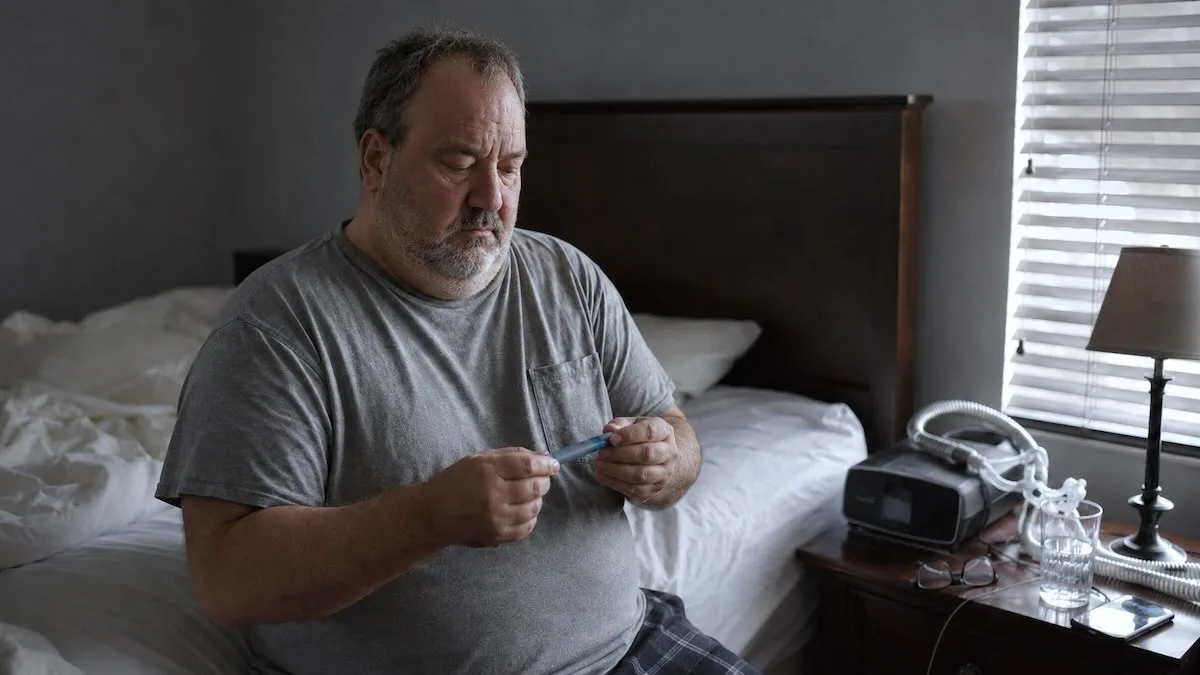
Which GLP-1 is approved for sleep apnea?
Short answer: tirzepatide, sold as Zepbound. It is the only medication in the GLP-1 family approved for obstructive sleep apnea. The FDA cleared it on 20 December 2024 for moderate-to-severe OSA in adults with obesity. Semaglutide — the drug in Wegovy and Ozempic — is not approved for sleep apnea.
One technical note: tirzepatide isn’t a pure GLP-1 drug. It activates two gut hormones, GIP and GLP-1, which is why you’ll see it called a “dual agonist.” In everyday search and conversation it gets grouped with the GLP-1s, and that’s how I’ll treat it here — but Zepbound is the specific product with the sleep apnea approval.
Is GLP-1 FDA-approved for sleep apnea?
Yes — for one specific drug and one specific group of patients. The FDA’s approval covers Zepbound “for the treatment of moderate to severe obstructive sleep apnea (OSA) in adults with obesity, to be used in combination with a reduced-calorie diet and increased physical activity” (FDA press release, 20 Dec 2024). The agency called it plainly: “the first drug treatment option for certain patients with obstructive sleep apnea.”
The approval leans on obesity as the driver. Sleep apnea and excess weight feed each other — fat around the neck and airway narrows it, and poor sleep makes weight harder to lose. Treat the weight, the reasoning goes, and you treat a root cause of the apnea rather than only its symptoms overnight.
How does GLP-1 work for sleep apnea?
The main mechanism is weight loss. GLP-1-type drugs slow how fast your stomach empties and dial down appetite signals in the brain, so most people eat less and lose a meaningful amount of weight. That matters for apnea because some of that fat sits where you can’t see it — around the tongue and the walls of the upper airway. Less fat there means the airway is less likely to collapse and block your breathing when the muscles relax during sleep.
There may be more to it than the scale, though. In the SURMOUNT-OSA trial, tirzepatide didn’t just lower apnea events and body weight — it also reduced a marker of inflammation (hsCRP) and systolic blood pressure compared with placebo (Malhotra et al., NEJM 2024). Researchers are still working out how much of the apnea benefit is weight loss versus other effects, so treat the “beyond weight” story as promising but not settled.

Does GLP-1 actually help? What the trials show
The evidence behind the approval is a pair of trials called SURMOUNT-OSA, published in the New England Journal of Medicine in 2024. Together they randomized 469 adults with moderate-to-severe OSA and obesity to the highest tolerated dose of tirzepatide (10 mg or 15 mg weekly) or placebo for 52 weeks. One trial enrolled people not using a CPAP-type machine; the other enrolled people already on one. Everyone started with severe apnea — an average apnea-hypopnea index (AHI) around 50 events per hour.
The results were large. Measured as the drop in AHI versus placebo, tirzepatide removed about 20 to 24 more apnea events per hour — a difference of −20.0 events/hour in people not on CPAP and −23.8 in those who were, both highly statistically significant (NEJM 2024). For many participants that was enough to move from severe apnea toward mild.
Source: Malhotra et al., SURMOUNT-OSA, NEJM 2024 (change from baseline at week 52).
A caution worth keeping: these were 52-week trials funded by the drug’s maker, and they measured apnea events and weight, not decades of heart and stroke outcomes. The reduction is real and big. Whether it translates into fewer heart attacks over a lifetime is a question longer studies still have to answer.
GLP-1 vs. CPAP: how they compare
It’s tempting to frame this as a fight — an injection that finally frees you from the mask. That’s not how the trials or the guidelines treat it. CPAP splints your airway open every single night and works from the first use; tirzepatide treats an underlying cause and takes months. They’re better read as partners than rivals.
| Tirzepatide (Zepbound) | CPAP | |
|---|---|---|
| How it works | Weekly injection; reduces weight and airway fat over months | Air pressure holds the airway open, used every night |
| Speed | Gradual — builds over weeks to a year | Immediate — works the first night you wear it |
| Main hurdle | Cost, coverage, GI side effects | Comfort — many people can’t tolerate the mask long-term |
| If you stop | Weight and apnea tend to return | Apnea returns the same night |
| Treats weight too? | Yes — that’s the point | No |
The realistic path for many people is both: keep the machine while the medication brings weight and apnea severity down, then re-test with a sleep study and decide with your doctor whether anything changes. Poor CPAP adherence is exactly why a second tool is welcome — not a reason to drop the first one on your own.
Who is eligible for GLP-1 for sleep apnea?
The approval is narrow on purpose. It’s for adults with obesity who have moderate-to-severe obstructive sleep apnea confirmed by a sleep study. A rough checklist of what tends to matter:
- A diagnosis of moderate-to-severe OSA — usually an AHI of 15 or higher on a sleep test.
- Obesity, commonly defined as a BMI of 30 or above (your plan may set its own threshold).
- No contraindications — for example a personal or family history of medullary thyroid cancer or MEN 2.
- A willingness to pair it with diet and activity changes, which the label specifically calls for.
Central sleep apnea (a different, less common type) isn’t the target here, and the drug isn’t meant for people who have apnea without obesity. Your doctor makes the call based on your sleep study, weight, and history — not a checklist on a website, including this one.
Side effects and safety
The most common side effects are gastrointestinal — nausea, diarrhea, constipation, and vomiting — and they’re usually mild to moderate, worst when the dose is stepped up and easing over time. Slow titration is the standard way to manage them.
The label also carries more serious warnings you should read with your doctor: a boxed warning about thyroid C-cell tumors seen in animal studies (with a caution for anyone with a personal or family history of medullary thyroid carcinoma or MEN 2), plus risks of pancreatitis, gallbladder problems, and low blood sugar when combined with certain diabetes drugs (Zepbound prescribing information). And because the benefit rides on weight loss, stopping the drug usually means weight — and apnea — creep back. This is a long-term commitment, not a quick course. For the full picture — exact rates, how long each lasts, and how to manage them — see our guide to GLP-1 side effects.
How much does Zepbound for sleep apnea cost?
Without any help, Zepbound’s list price is about $1,086 a month. Almost nobody pays exactly that, but it sets the ceiling. What you actually pay depends on how you get it:
- Self-pay vials through LillyDirect: $299/month for the 2.5 mg dose, $399 for 5 mg, and $449 for 7.5 mg and higher (prices as of a December 2025 cut). These single-dose vials are the cheapest cash route.
- Commercial insurance + savings card: if your plan covers Zepbound, Lilly’s card can bring you to as little as $25 a month (up to $1,300 in savings a year; the current card runs through the end of 2026). Government insurance is excluded from the card.
- Discount cards like GoodRx don’t meaningfully lower Zepbound — the price stays near list, so they rarely help here.
Two honest caveats: the cheap self-pay prices are for vials, not the pre-filled pens, which cost more; and savings-card terms reset each benefit year, so budget for changes.
Does insurance cover GLP-1 for sleep apnea?
This is where the sleep apnea approval quietly changed things. Insurers routinely refuse GLP-1 drugs when they’re prescribed purely for weight loss. A sleep apnea diagnosis is a different, medically accepted reason to prescribe the same drug — and that reason can open coverage the weight-loss label never would.
Will your plan cover it? Start here.
↓ if yes, it depends on your payer
Medicare Part D
May cover for the OSA indication (not weight loss alone). Each plan’s formulary decides; prior authorization is usual.
Medicaid
Coverage is required for the OSA indication, but rules and paperwork vary by state.
Commercial / employer
Usually covered for OSA, but expect prior authorization and often step therapy.
Every path expects a documented sleep-study diagnosis. Always confirm with your specific plan.
The Medicare piece is the one people get wrong. Medicare is legally barred from paying for drugs used only for weight loss — but once a drug has a separate approved use, that block lifts for that use. After the December 2024 approval, federal officials confirmed Part D plans may cover Zepbound for sleep apnea; “may,” not “must,” so your specific plan and its prior-authorization rules still decide (CMS Part D guidance).
Don’t confuse this with the separate “GLP-1 Bridge” you may have read about — a temporary Medicare demonstration for weight-loss-only patients at a flat $50 copay. If you have sleep apnea, you go through standard Part D coverage, not the bridge.
Medicaid is required to cover the OSA indication as a medically accepted use, though the paperwork differs by state. For weight loss alone, Medicaid coverage stays optional — and it’s shrinking: by January 2026 only 13 state programs still covered GLP-1s for obesity, down from 16 a few months earlier (KFF). The lesson across every payer: the diagnosis on the prescription matters as much as the drug.
What to ask your doctor — and how to track it
If you think you’re a candidate, walk into the appointment ready to measure, not just to ask for a prescription. A few questions worth raising:
- How will we know if it’s working for my sleep specifically — and by when?
- Do I keep using my CPAP, and when would we re-test with a sleep study?
- Will my plan cover it for sleep apnea, and what prior-authorization paperwork do you need?
- Which side effects should I log and flag early?
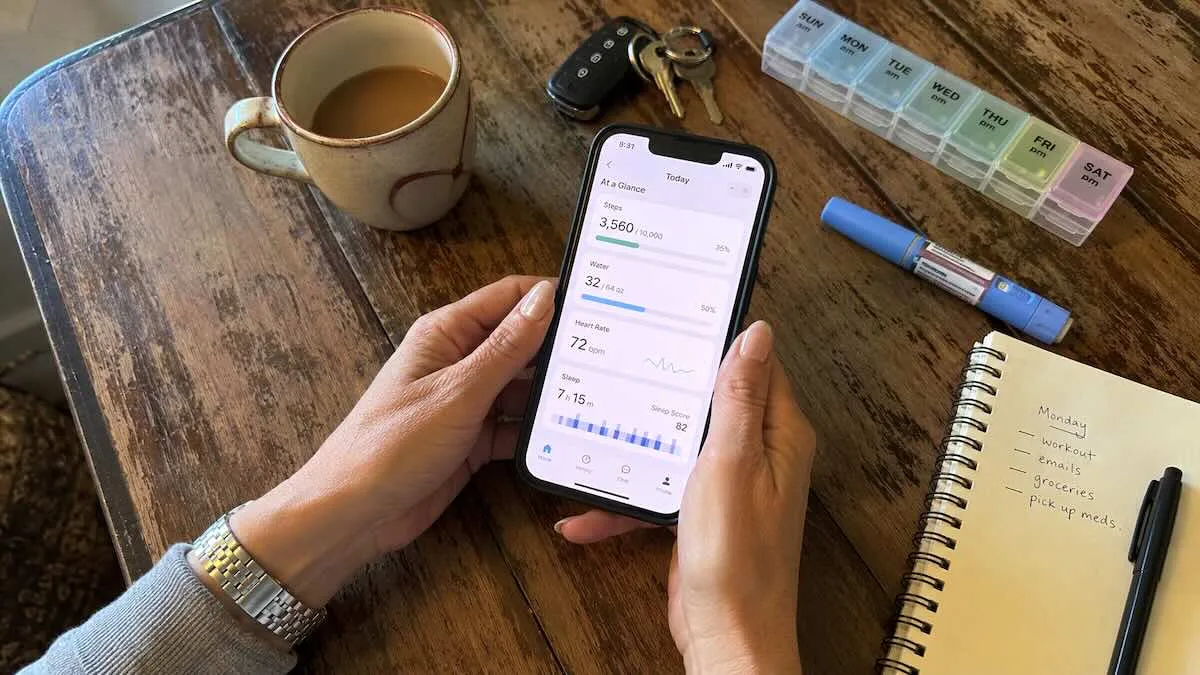
The people who get the most out of these visits show up organized — with their doses, weight, and how they’ve been sleeping written down instead of remembered. That’s the honest reason I built a GLP-1 medication tracker: to log your weekly shot, weight trend, and side effects in one place and bring a clean summary to each appointment. It’s a tracking tool, not treatment or advice — the medicine and the decisions stay between you and your doctor.
Frequently asked questions
- Which GLP-1 is approved for sleep apnea?
- Tirzepatide, sold as Zepbound, is the only medication in the GLP-1 family approved for obstructive sleep apnea. Wegovy and Ozempic (semaglutide) are not approved for it.
- Is GLP-1 FDA-approved for sleep apnea?
- Yes. On December 20, 2024 the FDA approved Zepbound (tirzepatide) for moderate-to-severe obstructive sleep apnea in adults with obesity — the first drug ever approved for the condition.
- How does GLP-1 help sleep apnea?
- Mainly through weight loss, which reduces fat around the tongue and upper airway so it collapses less during sleep. In the SURMOUNT-OSA trial it also lowered inflammation markers and blood pressure.
- Does GLP-1 actually reduce sleep apnea?
- In the SURMOUNT-OSA trials, tirzepatide reduced the apnea-hypopnea index by about 20 to 24 more events per hour than placebo over 52 weeks — a large drop from a baseline near 50.
- Does Medicare cover GLP-1 for sleep apnea?
- Medicare Part D plans may cover Zepbound for the sleep apnea indication (not for weight loss alone), but coverage is not guaranteed — each plan decides, and prior authorization is usual.
- Does Medicaid or a commercial plan cover Zepbound for sleep apnea?
- Medicaid coverage is required for the OSA indication but details vary by state. Commercial plans commonly cover it for OSA but almost always require prior authorization and often step therapy.
- How much does Zepbound for sleep apnea cost?
- The list price is about $1,086 a month. Lilly’s self-pay single-dose vials run $299–$449 a month, and a savings card can bring commercially insured patients to as little as $25 a month.
- What are the side effects of GLP-1 for sleep apnea?
- Most are gastrointestinal — nausea, diarrhea, constipation — and usually mild to moderate. The label also carries warnings including thyroid C-cell tumors, pancreatitis, and gallbladder problems.
- Is GLP-1 better than CPAP for sleep apnea?
- They do different jobs. CPAP treats apnea mechanically every night; tirzepatide treats an underlying cause by reducing weight. Many people use them together rather than swapping one for the other.
- Who is eligible for GLP-1 for sleep apnea?
- The approval is for adults with obesity who have moderate-to-severe obstructive sleep apnea confirmed by a sleep study. Your doctor decides based on your diagnosis, weight, and health history.
- Do I still need my CPAP if I start tirzepatide?
- Usually yes, at least until a repeat sleep study shows your apnea has improved enough to change the plan. That is a decision to make with your doctor, not on your own.
- What happens if I stop taking it?
- Weight tends to return after stopping GLP-1 medications, and sleep apnea severity can climb with it. Ask your doctor about a long-term plan before you start.
The bottom line
For the first time there’s a medication proven to reduce obstructive sleep apnea — tirzepatide (Zepbound), FDA-approved in December 2024 for adults with obesity and moderate-to-severe OSA. In the SURMOUNT-OSA trials it cut apnea events by roughly 20 to 24 more per hour than placebo, mostly by driving weight loss. It isn’t a CPAP replacement for everyone, it carries real side effects and cost, and coverage hinges on the sleep apnea diagnosis. If that sounds like you, the next step is a conversation with your doctor — ideally one you walk into prepared.
This article is for information only and is not medical advice. Talk to a qualified clinician before starting, stopping, or changing any medication. Toss it Online is not affiliated with, endorsed by, or sponsored by Eli Lilly, Novo Nordisk, or any drug manufacturer.
Primary sources
- FDA — “FDA Approves First Medication for Obstructive Sleep Apnea” (20 Dec 2024)
- Malhotra et al. — “Tirzepatide for the Treatment of Obstructive Sleep Apnea and Obesity,” NEJM (2024)
- Zepbound (tirzepatide) FDA prescribing information
- CMS — Medicare Part D GLP-1 coverage guidance
- KFF — Medicaid coverage of GLP-1s